
Operations
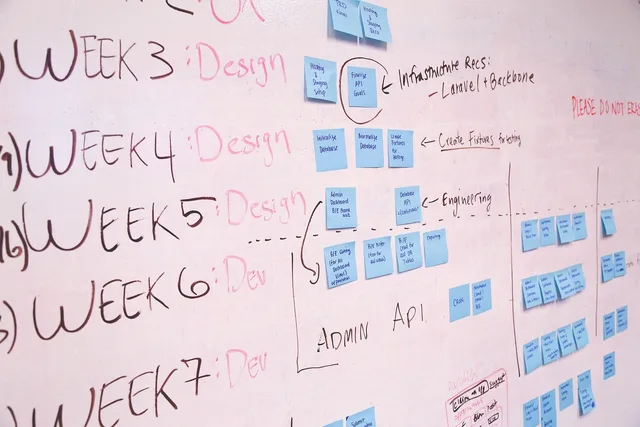
Part of A 90-day plan to set up marketing operations in the right order
Marketing operations mistakes worth avoiding early
Marketing operations mistakes in 2027 include weak ownership, hidden intake, false capacity, vague approvals, premature tool buying, and untested launches.
What to take away
- Most recurring failures begin with unclear authority, scattered demand, or plans that omit recurring work and specialist constraints.
- A new tool cannot repair an undefined process, data model, approval, or recovery path without explicit design and testing. The costliest mistake is usually an unowned high-consequence decision that compounds through customer harm, wasted spend, bad data, or repeated rework.
Marketing operations mistakes create queues, rework, hidden risk, and distrust even when the team works hard. Most failures come from unclear decisions and ownership rather than a missing project-management feature.
Operating without a charter
When purpose, services, exclusions, and decision rights are unwritten, operations becomes the default owner of tools, reports, campaigns, and emergencies. A team with 12 marketers and three agencies may have no written charter for who owns campaign setup, data changes, or vendor renewals.
Publish a short charter and service catalog. Review it with marketing, sales operations, data, finance, legal, security, procurement, and customer teams where responsibilities meet.
Charter contents: purpose, scope, exclusions, services, service levels, decision rights, intake route, escalation path, funding model, and review cadence. Service catalog contents: each service, requester, deliverable, typical turnaround, cost model, owner, dependencies, and exclusions.
Accepting requests everywhere
Email, chat, meetings, and private messages create invisible work and reward the loudest requester. A small team may get 20 to 40 requests a week; a large team may get hundreds.
Typical cycle time from request to delivery can run 5 to 20 business days when intake is scattered. Use one intake route with an emergency exception. Capture the business problem, audience, outcome, urgency basis, scope, deadline, budget, risk, and sponsor.
Return incomplete work rather than hiding discovery inside the delivery queue. Name the intake tool in plain text: Jira, Asana, or a form in HubSpot.
Single Intake Route Fields
- Business problem
- Audience
- Outcome
- Urgency basis
- Scope and deadline
- Budget and risk
- Sponsor
Planning above real capacity
A calendar full of initiatives ignores recurring operations, maintenance, governance, leave, incidents, and specialist bottlenecks. If a team has 10 people and recurring work takes 60 percent of their time, only 4 people are available for new projects.
Plan capacity by skill and limit work in progress. Publish which work is deferred when a new priority arrives. Do not make operators solve every conflict through overtime. Tools like Workfront or Asana can show capacity if recurring work is entered.
Adding approvals without decisions
Large reviewer lists create serial delay and contradictory preference. Each extra reviewer can add 1 to 3 business days. A campaign with five reviewers may take two weeks to approve.
Name the accountable owner and define what each reviewer decides. Separate brand preference from legal, privacy, accessibility, security, financial, and technical requirements. Set response times and an escalation path; silence should not imply approval for material risk.
Buying tools before mapping work
NIST SP 800-128 covers configuration management for federal systems, so use its configuration-management publication proportionately rather than as a marketing-platform certification.
A new platform can reproduce the same ambiguous intake, stage, data, and ownership. Map the process, decisions, volumes, controls, integrations, skills, and exit first.
Inventory overlapping capability, adoption, license use, and full cost. Run representative workflows before signing a broad contract. A mid-market marketing automation platform like HubSpot, Marketo, or Salesforce Marketing Cloud can cost $10,000 to $50,000 per year in typical subscription fees before implementation, which often runs $5,000 to $25,000 or more.
Launching without QA or incident authority
The UK Service Manual advises documenting risk and rehearsing incident management, so apply its service information-security guidance to affected marketing data while following the qualified security, privacy, legal, and contractual requirements that apply.
Test audience samples, exclusions, claims, rights, accessibility, links, forms, tracking, automation, budget, handoffs, and failure paths. Name who can pause spend or messages. Preserve evidence, assess affected customers, correct data, and approve restart. A checked task without test evidence is not quality assurance. A routine campaign may need 24 to 72 hours for QA.
Mistake diagnostic
| Observed failure | Likely control gap | First repair |
|---|---|---|
| Urgent work dominates | No priority authority | Record overrides and tradeoffs |
| Reviews conflict | Decision scope is vague | Name each review decision |
| Tool rollout stalls | Work and ownership unmapped | Test representative workflows |
| Incident repeats | No pause authority or incident owner | Name pause authority and postmortem owner |
Prove the correction
The GAO data reliability guide treats reliability as fitness for an intended use and requires documented assessment.
The FTC advertising substantiation policy requires a reasonable basis before objective claims, so apply it to public performance statements.
First 30 days
- Name the accountable owner for marketing operations and publish the charter and service catalog.
- Move all requests to one intake route and return incomplete requests with missing fields.
- Record current work in progress by skill and publish deferred work when a new priority arrives.
- Map the top three workflows end to end, including decisions, volumes, data, and tools.
- Define pause authority, incident owner, and a postmortem process.
- Review one delayed or reworked campaign by cause, assign a repair, and test the result.
Common questions
Should operations reject incomplete requests?
Return them with the missing evidence and route. Hiding discovery inside delivery makes capacity, priority, timing, and accountability unreliable.
How should mistakes be reviewed?
Preserve the record, identify affected people and systems, classify the cause, assign a repair, test it, and check for new downstream effects.